
Translation services for UK Environmental Impact Assessments (EIAs) are integral to ensuring that non-native speakers can fully comprehend the environmental implications of development projects. These translations must capture both the linguistic nuances and specialized terminology inherent in environmental science and legal texts, facilitating equitable participation in the EIA process for a diverse range of stakeholders. The UK's robust regulatory framework, including the Town and Country Planning (Environmental Impact Assessment) Regulations 2017, mandates these translations to uphold transparency, inclusivity, and effective environmental protection. Professionals with expertise in both environmental and legal language are essential for providing precise and clear translations that fulfill legal obligations and demonstrate corporate social responsibility. By enabling all stakeholders to access and understand EIA documentation accurately, the UK maintains its commitment to sustainable development goals and upholds the integrity of its environmental governance. This multilingual approach not only supports compliance with regulations but also enhances international collaboration on environmental projects, showcasing the UK's dedication to responsible stewardship of the environment.
Navigating the complexities of environmental impact assessments (EIAs) is paramount in the UK’s commitment to sustainable development. As projects that could affect the environment expand across the nation, ensuring these are understood by a broad audience—including those who speak other languages—is crucial for transparency and compliance. This article delves into the necessity of multilingual support within EIAs, elucidating the legal framework governing their translation requirements, and highlighting the role of professional translation services in maintaining accuracy and adherence to regulations. It also addresses the intricacies involved in translating environmental data and documentation, offering solutions to common challenges. Through case studies, we explore successful translation integration in UK EIAs, underscoring its significance in fostering inclusive and informed decision-making processes.
- The Necessity of Multilingual Support in UK Environmental Impact Assessments
- Understanding the Legal Framework for EIAs and Translation Requirements in the UK
- The Role of Professional Translation Services in Accuracy and Compliance
- Challenges and Solutions in Translating Environmental Data and Documentation
- Case Studies: Successful Translation Integration in UK Environmental Impact Assessments
The Necessity of Multilingual Support in UK Environmental Impact Assessments

The process of conducting Environmental Impact Assessments (EIAs) in the UK is a critical step in ensuring that development projects do not harm the environment. As the UK’s environmental policies and regulations are intricate and detailed, it is imperative that all stakeholders involved in these assessments have a comprehensive understanding of the documentation. This necessity for clarity extends beyond monolingual audiences; with the UK’s diverse population and its position as a global hub, there is an increasing demand for multilingual support in EIAs. Translation services for UK Environmental Impact Assessments become pivotal in this context, ensuring that non-native speakers can fully grasp the environmental implications of proposed projects. These translations are not merely a matter of linguistic accuracy but also involve a deep understanding of both the source and target languages, as well as the specialized terminology inherent to environmental science and legal documentation. By facilitating clear communication across language barriers, translation services enable a broader participation in the EIA process, which is essential for transparency, inclusivity, and ultimately, for safeguarding the environment. This multilingual approach not only aligns with the UK’s commitment to sustainable development but also enhances the efficacy of environmental governance by ensuring that all voices are heard, regardless of linguistic background.
Understanding the Legal Framework for EIAs and Translation Requirements in the UK

In the United Kingdom, the legal framework governing Environmental Impact Assessments (EIAs) is comprehensive and stringent, ensuring that any significant projects which may have an environmental impact undergo thorough scrutiny. The primary legislation for EIAs in the UK is the Town and Country Planning (Environmental Impact Assessment) Regulations 2017, which transpose the European Directive into UK law. This legislative framework mandates that translation services for UK Environmental Impact Assessments be provided when necessary to facilitate understanding among stakeholders who may not have English as their first language. The requirement for accurate and precise translations ensures that all relevant information is accessible and comprehensible, which is crucial for the consultation process and decision-making by authorities.
Organizations planning projects requiring an EIA must engage with professional translation services to convert all technical documents, including the Environmental Statement, into the primary language of the affected population or stakeholders. This is not just a legal obligation but also a critical component of corporate social responsibility. The translations must be carried out by experts who specialize in environmental terminology and legal jargon to maintain the integrity of the information being conveyed. Utilizing professional translation services for UK Environmental Impact Assessments is essential to uphold transparency, adhere to compliance standards, and engage with local communities effectively. This process is integral to the overall EIA, as it ensures that all parties have a clear understanding of the potential environmental impacts and can participate meaningfully in the decision-making process.
The Role of Professional Translation Services in Accuracy and Compliance

When organisations undertake projects that could potentially impact the environment within the United Kingdom, it is imperative that they conduct Environmental Impact Assessments (EIAs) to evaluate these effects and ensure compliance with environmental regulations. A pivotal aspect of this process is the accurate communication of findings, methodologies, and recommendations, which often requires translation services for UK Environmental Impact Assessments. Professional translation services play a crucial role in ensuring that all stakeholders, regardless of their language proficiency, have access to the necessary information in a clear, precise, and compliant manner. These services bridge linguistic barriers, allowing for seamless understanding and assessment across multilingual teams and communities. The accuracy of translations is not just about word-for-word correspondence; it involves a deep understanding of environmental terminology and the context within which these assessments are conducted. This is vital because errors in translation can lead to misunderstandings, misinformed decisions, and potentially significant environmental consequences. By leveraging the expertise of seasoned translators who specialise in environmental subjects, organisations can guarantee that their EIAs adhere to both the letter and the spirit of UK regulations, thereby upholding environmental standards and fostering trust among all parties involved. This commitment to precision and compliance is not only a testament to responsible environmental stewardship but also to the ethical conduct of businesses operating within the UK’s diverse linguistic landscape.
Challenges and Solutions in Translating Environmental Data and Documentation
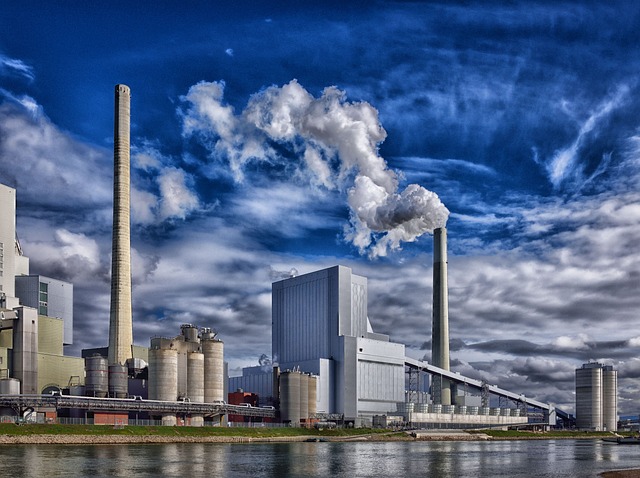
Organizations in the UK that undertake environmental impact assessments (EIAs) often require the translation of their findings into languages other than English, particularly when stakeholders or regulatory bodies operate within different linguistic frameworks. The process of translating environmental data presents unique challenges, primarily due to the technical and specialized nature of the information involved. Technical terms related to ecology, hydrology, soil science, and air quality, for instance, must be accurately conveyed across languages. Mistranslation can lead to misunderstandings that might compromise environmental protection efforts or regulatory compliance.
To address these challenges, translation services for UK Environmental Impact Assessments must employ translators with specialized knowledge in both the subject matter and the nuances of language. These experts work diligently to ensure that all quantitative data, qualitative descriptions, and graphical representations are accurately translated. The use of specialized translation memory software aids in maintaining consistency across large volumes of documentation. Moreover, collaboration with environmental scientists and review by native speakers within the target audience further ensures that translations not only convey the correct information but also align with local environmental contexts and regulations. This meticulous approach enhances the effectiveness of cross-border communication regarding environmental impact assessments, ensuring that all parties have access to clear and precise information necessary for informed decision-making.
Case Studies: Successful Translation Integration in UK Environmental Impact Assessments

The integration of translation services within the United Kingdom’s Environmental Impact Assessment (EIA) process has proven to be a cornerstone in facilitating cross-border environmental compliance and understanding. A prime example of this successful integration is the EIA for the Thames Tideway Tunnel project, a major infrastructure initiative aimed at improving London’s water quality by capturing, diverting, and treating sewage overflows. The translation of technical documents and stakeholder communications into multiple languages was paramount to ensure that all parties, including those from different EU member states, could fully comprehend the environmental implications and compliance measures. Another case in point is the Swansea Bay Tidal Lagoon project, which harnesses tidal energy. Here, multilingual translation services were crucial for the lagoon’s design and construction teams to collaborate effectively, as well as for sharing findings with a broader international audience. These translations not only support environmental transparency but also enhance the UK’s reputation for sustainable development practices on a global scale. Translation services for UK Environmental Impact Assessments are thus an indispensable tool in the EIA process, ensuring that both local and international stakeholders can engage with and understand the full scope of environmental projects, thereby fostering informed decision-making and compliance with environmental regulations.
Effective communication through translation is indispensable in the context of UK Environmental Impact Assessments (EIAs). As outlined, the legal landscape mandates clear and precise translations to ensure all stakeholders understand the environmental implications of proposed projects. Professional translation services play a pivotal role in achieving accuracy and compliance within this critical field. The challenges encountered, such as accurately conveying complex environmental data and documentation, are significant but not insurmountable. The case studies provided exemplify best practices for successful integration of translation in EIAs, highlighting the importance of these services in upholding transparency and accountability. Stakeholders should prioritize professional translation services for UK Environmental Impact Assessments to facilitate informed decision-making and responsible environmental governance.